I have fifteen years of experience teaching literature, writing, and humanities research methods to undergraduate and graduate students. I have taught at both public and private universities, as well as at two community colleges.
In my years as a instructor of writing and literature, I have received four teaching awards, including the Fred L. Standley Award for Most Effective Teacher Among Graduate Assistants at Florida State University and two Outstanding Graduate Student Teacher Awards from Northeastern University—one from the Provost’s office, and one from the College of Social Sciences and Humanities. In 2025, I received the inaugural Marlin Killen Teaching Award in the College of Arts and Sciences at Drexel University.
For specifics on a few recent classes I’ve taught, see the below examples:
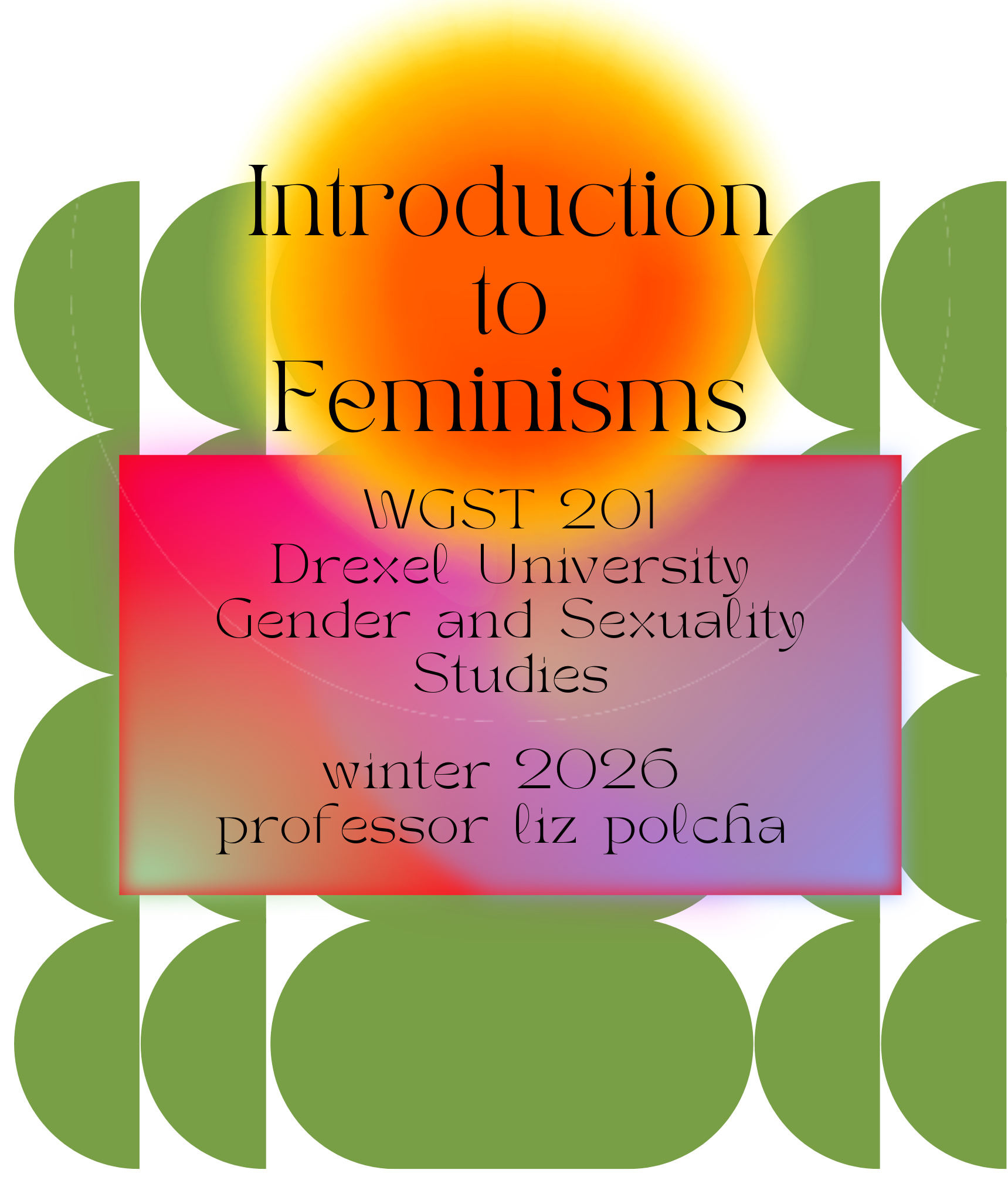
This course introduces students to the history of feminist knowledge production through the study of feminist theory. Together we will explore the central ties between political action and feminist thought by reading a wide range of texts. We will rely primarily on the recently published textbook, Feminist Studies: an Introductory Reader, which is “the first feminist studies textbook edited by scholars with PhDs in feminist studies” (1). In short, this is a course that prioritizes reading theory in the study of feminist political movements.
Because this class’ central method is reading and discussing theory, much of our work together will be focused on analyzing argumentation and evidence. In doing this deep and slow work of reading and critical analysis together, this class creates an intellectual space for undergraduate scholars to practice what it means to “live a feminist life” (in the words of Sarah Ahmed) for themselves and for their future paths beyond undergraduate study.
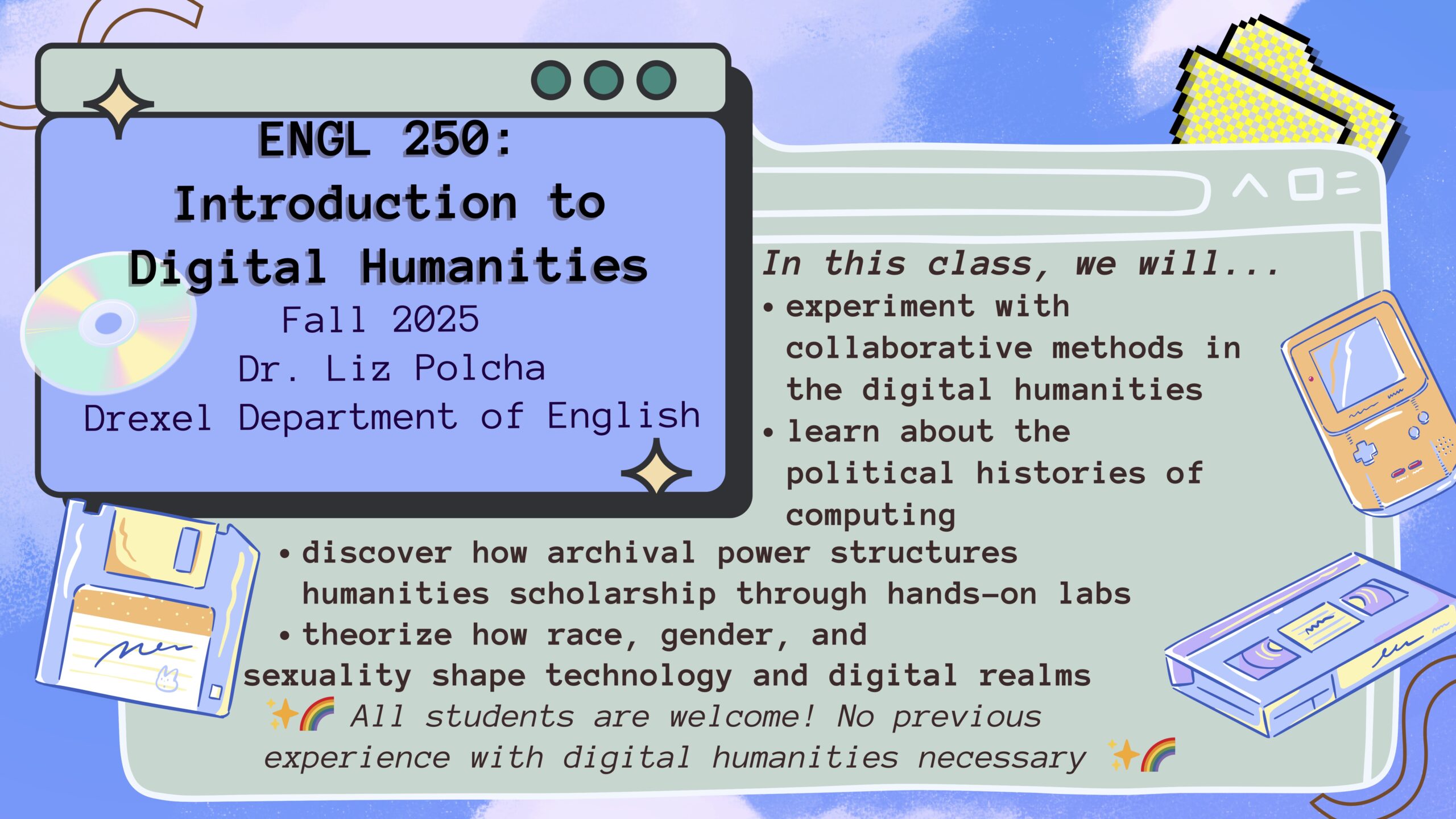
This class, offered in Drexel’s department of English and Philosophy, is designed as a broad introduction to the Digital Humanities (DH) for undergraduate students who are new to the field of DH and its methodologies. This course centers collaboration and project-based learning in a friendly environment where experimentation is encouraged. Each week we will participate in a lab activity, where you will engage in hands-on digital and public humanities methodologies. These activities will include: writing metadata for digital archives, using web-based platforms to experiment with text analysis, and practicing some basic text encoding. We will also read theory on archival studies, political histories of computing and technology, queer studies, ecocriticism, and feminist studies alongside our lab activities. Beginners to computational methods, and to theory, are welcome!
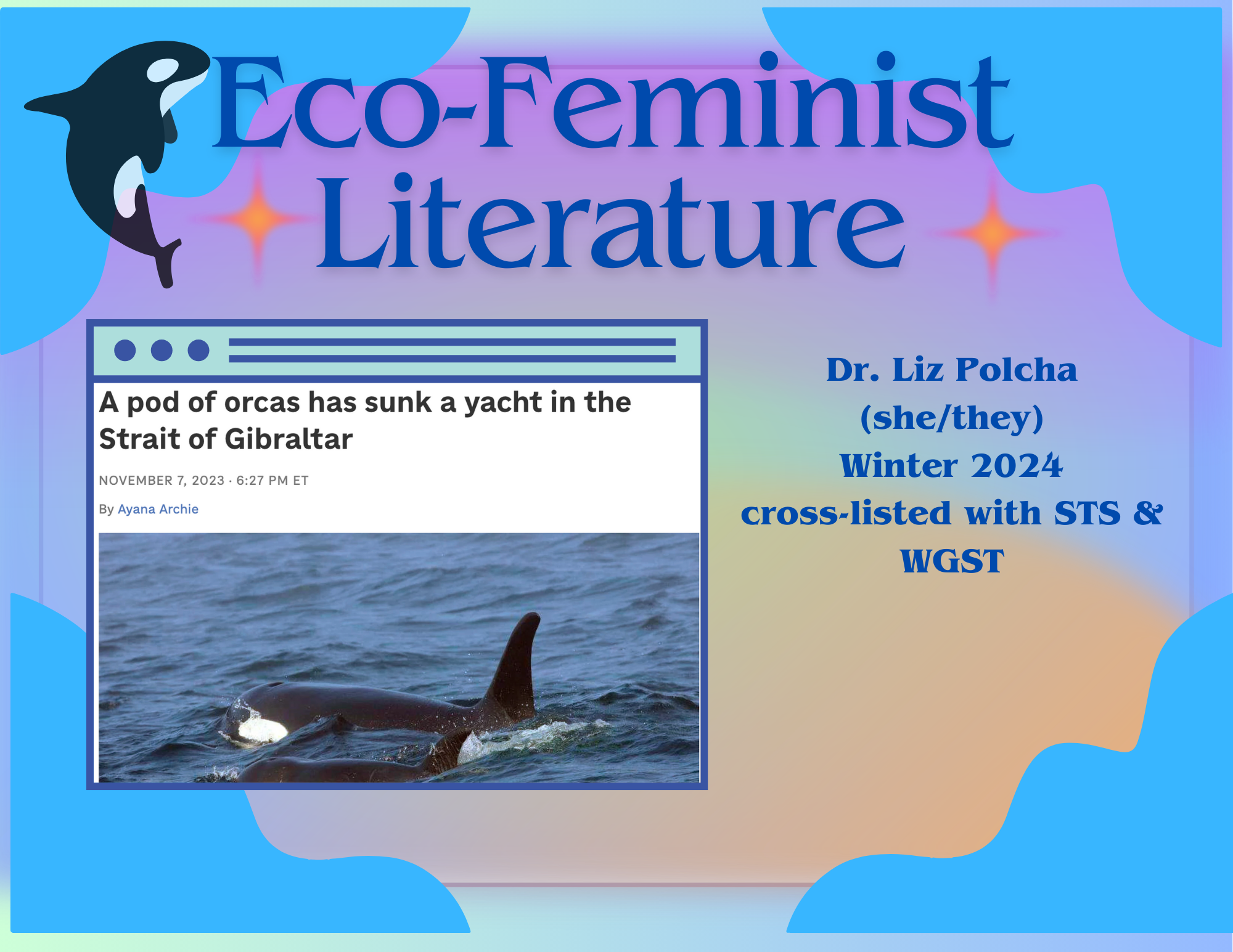
This class begins with the understanding that the climate crisis fundamentally shapes our notions of race, gender, and sexuality. With this in mind, together we will explore the question: how have feminist and anti-colonial writers responded to environmental crises and crafted new ways of understanding the natural world, beyond colonial and capitalist frameworks? In answering this question, we will read historical and contemporary writings, both fiction and non-fiction, about ecology, climate, human-animal relations, gardening, agriculture, and the natural sciences. These readings will cover topics from Black ecologies, Indigenous land-back movements, and the Green New Deal, to feminist herbalism and foraging. Class activities will include options for creative and experimental writing as well as experiential learning activities. Course readings include Alexis Pauline Gumbs’ Undrowned: Black Feminist Lessons from Marine Mammals, JJJJJerome Ellis’ Aster of Ceremonies, An Infected Sunset chapbook by Demian DinéYazhi, and Leah Lakshmi Piepzna-Samarasinha’s The Future is Disabled.
This writing intensive class focuses on literary and historical narratives about science, technology, natural history, and medicine from the transatlantic eighteenth and nineteenth centuries. Class activities include an archival focused research project in collaboration with Drexel’s Legacy Center, which holds historical collections from Drexel University College of Medicine and its predecessor institutions, including Woman’s Medical College of Pennsylvania (one of the first medical institutions in the world to issue medical degrees for women). Course readings include an eighteenth-century midwife’s diary, Maryse Condé’s I, Tituba, Mary Shelley’s Frankenstein, essays by Frederick Douglass, Edgar Allan Poe, and W.E.B. Du Bois, and Emily Dickinson’s herbarium.
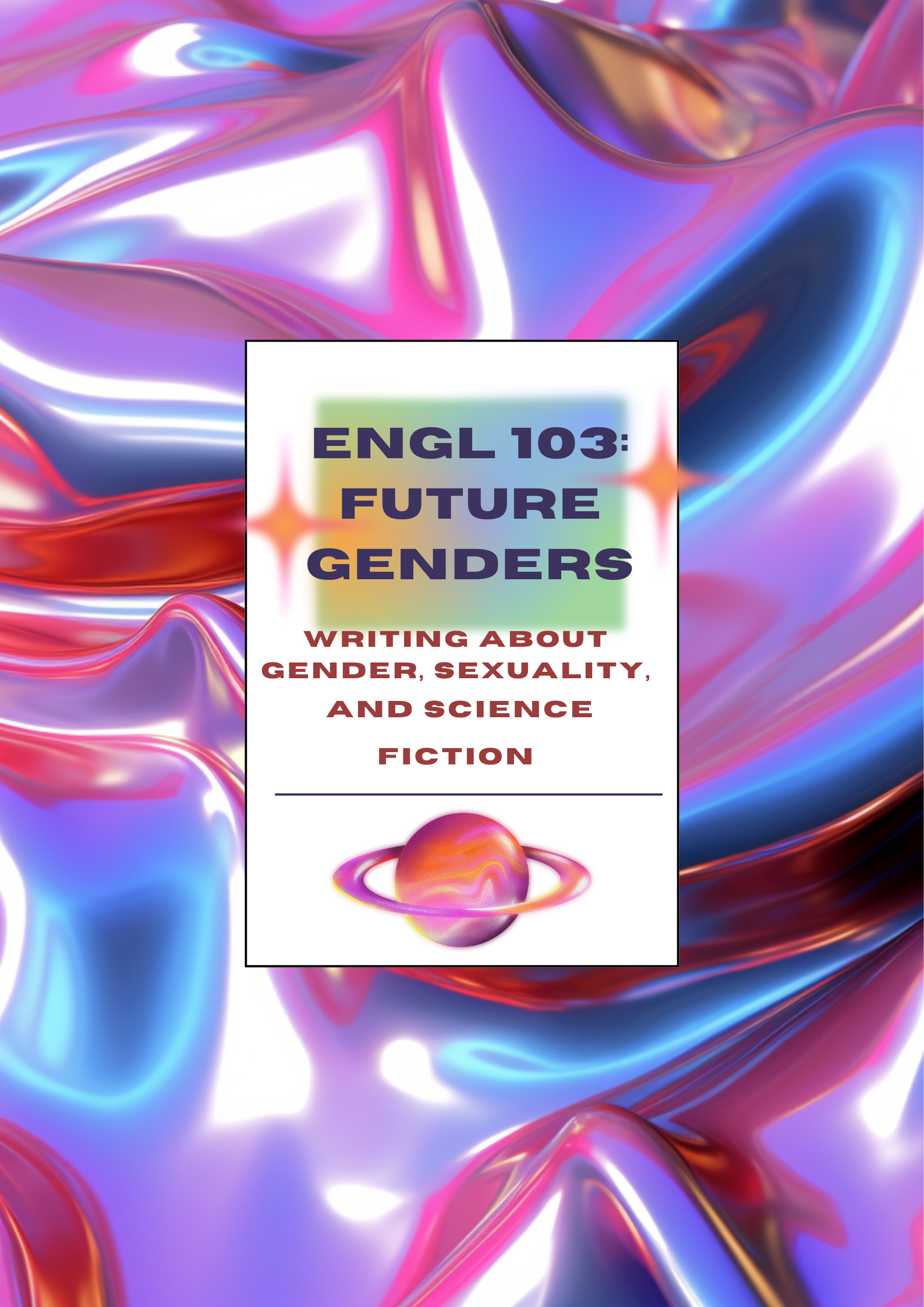
This ENGL 103 first year writing class, offered in Drexel University’s department of English and Philosophy, asks that you read, think, and write about gender, sexuality, and science fiction across ten weeks. Readings will include fiction and theory by Octavia Butler, N.K. Jemisin, Alexis Pauline Gumbs, and Ken Liu, among others. Assignments will include research-based writing and opportunities for creative writing and curation, including digital and experimental writing.
ENGL 057: Witches, Mistresses, and Midwives: early American Women Writers

This early American literature course, offered in the University of Pennsylvania’s department of English in Spring 2020, was framed around gender, sexuality, and the question of “women’s writing” in the colonial Americas. This course offers a deep-dive into the under recognized women writers of the colonial Americas, using critical frameworks of race, gender, and sexuality to bring the banished, the deviant, the incarcerated, and the erased into the canon of American literature. We will therefore read across genres of texts—both in and out of print—such as natural histories, testimonies, diaries, letters, epistolary novels, and visual and material culture. Across these genres, our readings are organized chronologically: moving from the late 17th century through the late 19th century. This course takes a nontraditional approach to the teaching of early American literature, asking students to consider how genres of writing, both private and public, shaped early nationalist and imperialist ideals of bodies, families, and sexual freedom in the so-called “New World.”
Selected Required Readings:
• Aphra Behn, Oroonoko, and Other Writings. Edited by Paul Salzman. Oxford World’s Classics edition, 2009.
• Sor Juana Inés de la Cruz, Selected Works, translated by Edith Grossman, Intro by Julia Alvarez. Norton, 2014.
• Richard Godbeer. The Salem Witch Hunt: A Brief History with Documents, Second Edition. Bedford Series, 2017.
• Harriet Jacobs. Incidents in the Life of a Slave Girl, Edited by Nell Irvin Painter. Penguin, 2000.
• Phillis Wheatley, Complete Writings, edited with an intro by Vincent Carretta. Penguin, 2001.
• Unca Eliza Winkfield, The Female American, second edition, edited by Michelle Burnham and James Freitas. Broadview, 2014.
• The VVitch: A New England Folk Tale (2015) directed by Robert Eggers.